
Quick Summary: Breaking free from hentai starts with understanding the brain chemistry behind compulsive viewing, then implementing practical strategies like accountability tools, environment modification, and replacing the habit with healthier activities. Treatment approaches including cognitive behavioral therapy show effectiveness rates similar to other behavioral addictions, with success dependent on consistency and professional support when needed.
The conversation around hentai addiction has shifted dramatically in recent years. What was once dismissed as harmless cartoon consumption is now recognized within the broader context of compulsive sexual behavior disorder.
And here’s something that might surprise many people: hentai consumers differ from regular pornography users in several measurable ways, according to research published in Sexologies. But the addiction mechanisms? Those operate on similar neurological pathways.
This guide examines the science behind hentai’s addictive potential and walks through practical strategies for quitting. No judgment. Just actionable information.
What Makes Hentai Different From Regular Pornography
Hentai is animated or illustrated pornography, typically originating from Japanese anime and manga traditions. The term literally translates to “perversion” in Japanese, though in Western contexts it specifically refers to sexually explicit animated content.
The distinction from regular porn matters because the medium creates different psychological effects. Research comparing hentai consumers to other pornography users found that approximately 29% of study participants had consumed hentai in the past year, while 38% had consumed non-hentai pornography.
Why the Animated Format Changes Things
Several characteristics make hentai distinct:
- Unlimited fantasy scenarios impossible in live-action content
- Exaggerated physical features and sexual situations
- No real performers involved, which some consumers perceive as more ethical
- Lower barrier to escalation due to artistic freedom
- Strong association with broader anime culture and communities
The animated nature removes certain ethical concerns about exploitation of performers. But that same characteristic can accelerate consumption patterns since content creators face fewer production limitations.
Research shows people who consume hentai don’t differ from others regarding their attraction toward humans or desire for human relationships. That finding contradicts common stereotypes about hentai consumers being socially isolated or unable to form connections.
Discover Adult Content With R34.app

R34.app works as a content browser built around tags and categories. Users can look up characters, franchises, games, and keywords, then move through posts collected from several imageboard-style websites in one place.
Need a Simpler Way to Browse by Tag?
R34.app can help with:
- unrestricted access to visual NSFW content
- checking top, trending, and animated sections
- using one interface for multiple sources
👉 Visit R34.app to explore its tag-based browsing system
Understanding Compulsive Sexual Behavior and Addiction
Compulsive sexual behavior disorder (CSBD) was introduced into the ICD-11, marking formal recognition of patterns that include excessive pornography consumption. According to NIH research, prevalence rates vary significantly across populations.
In Western developed countries, 8-13% of men and 5-7% of women meet diagnostic criteria for CSBD. A large German study involving 4,633 individuals found lifetime CSBD prevalence of 4.9% in men and 3.0% in women.
The adult entertainment industry generates over $70 billion annually, with sales and rental through DVDs and pay-per-view services allowing access anywhere, anytime. That accessibility factor plays directly into compulsive behavior development.
How Behavioral Addictions Work
Compulsive sexual behavior shares characteristics with both substance use disorders and impulse control disorders. The mechanisms involve:
- Repetitive engagement despite negative consequences
- Unsuccessful efforts to control or reduce the behavior
- Using the behavior to escape negative emotions
- Increasing tolerance requiring more extreme content
- Withdrawal symptoms when attempting to stop
Research on behavioral addictions shows that treatment approaches demonstrate effectiveness in the short term, similar to interventions for gambling disorder and substance use disorders. But the evidence base still needs more rigorous clinical trials.
Why Hentai Can Be Particularly Addictive
Multiple factors contribute to hentai’s addictive potential. The combination of novelty, accessibility, and fantasy escalation creates a unique consumption pattern.
Here’s the thing though—the animated format removes physical limitations. Content creators can depict scenarios impossible in live-action pornography, which leads to rapid escalation in content intensity.
The Novelty Factor and Dopamine Response
Human brains are wired to respond to novelty with dopamine release. That’s an evolutionary mechanism designed to encourage exploration and learning. But in the context of pornography consumption, unlimited novelty hijacks that system.
Hentai provides essentially infinite variety through:
- Constantly updated content from thousands of artists
- Unlimited character types and scenarios
- Easy access across multiple platforms
- Community-driven content creation and sharing
- Algorithmic recommendations driving discovery
Each new image or video triggers another dopamine spike. Over time, the brain begins associating the activity with reward, strengthening neural pathways that drive compulsive behavior.
Fantasy Escalation and Tolerance
Tolerance development is a hallmark of addictive behaviors. What initially provided satisfaction gradually becomes insufficient, driving escalation to more extreme content.
The unlimited nature of animated pornography accelerates this process. Without the constraints of live performers or production logistics, content can become increasingly extreme without natural boundaries.
Research on compulsive sexual behaviors shows this pattern consistently across pornography types, but the artistic freedom in hentai can speed the escalation timeline.
The Anonymity and Community Factors
Online communities centered on anime and hentai create social reinforcement for consumption. Forums, Discord servers, and social media groups normalize viewing habits that might otherwise trigger self-reflection.
Community discussions surveyed across platforms show users often rationalize consumption by emphasizing the animated nature—no real people harmed, therefore no ethical concerns. That rationalization removes a psychological barrier that might otherwise prompt moderation.
Recognizing Signs of Hentai Addiction
Compulsive sexual behavior manifests through specific patterns. Recognizing these signs is the first step toward addressing problematic consumption.
| Category | Warning Signs | Impact Level |
|---|---|---|
| Time and Frequency | Viewing multiple times daily, sessions extending hours, losing track of time | High |
| Life Interference | Missing work/school, neglecting responsibilities, sleep disruption | Critical |
| Relationship Impact | Decreased interest in partner, hiding behavior, relationship conflict | High |
| Emotional Dependence | Using to cope with stress, anxiety, boredom, or negative emotions | High |
| Loss of Control | Failed attempts to quit or reduce, viewing despite intentions to stop | Critical |
| Escalation | Needing more extreme content, longer sessions, or more frequent viewing | High |
| Psychological Effects | Guilt, shame, anxiety, depression related to viewing habits | Moderate |
| Social Withdrawal | Isolating to view, declining social activities, reduced real-world connections | Moderate |
Not everyone who views hentai regularly meets criteria for addiction. The key differentiator is whether the behavior causes significant distress or impairment in important life areas.
Studies on compulsive sexual behavior show that the pattern involves repetitive sexual thoughts, urges, and behaviors that become intrusive and distressing. The individual experiences unsuccessful efforts to control the behavior despite negative consequences.
When Casual Viewing Becomes Problematic
The transition from casual consumption to compulsive behavior often happens gradually. Several indicators suggest crossing that threshold:
- Viewing continues despite genuine desire to stop
- Increasing amounts of time spent seeking and consuming content
- Unsuccessful attempts to cut back or quit
- Content consumption interferes with work, relationships, or other valued activities
- Continuing despite awareness of physical or psychological problems
Real talk: Most people won’t recognize these patterns in themselves initially. Denial is a common feature of addictive behaviors. External feedback from partners, friends, or family members often provides the first clear signal that consumption has become problematic.
Evidence-Based Strategies to Stop Watching Hentai
Multiple treatment modalities show effectiveness for behavioral addictions including compulsive pornography use. Meta-analysis of treatment studies indicates short-term effectiveness similar to gambling disorder and substance use disorder interventions.
The most successful approaches combine multiple strategies rather than relying on a single method.
Cognitive Behavioral Therapy Approaches
Cognitive behavioral therapy (CBT) represents the most studied intervention for compulsive sexual behaviors. Research shows group CBT specifically demonstrates effectiveness for this population.
CBT techniques focus on:
- Identifying triggers and high-risk situations
- Challenging cognitive distortions that justify behavior
- Developing coping strategies for urges
- Building healthier behavioral patterns
- Addressing underlying emotional issues
Studies examining CBT for compulsive sexual behavior reduction show measurable improvements in behavior control and associated distress. The approach works by changing thought patterns that maintain the addictive cycle.
Environmental Modification and Access Control
Reducing access creates friction that disrupts automatic behavioral patterns. This strategy works through several mechanisms:
- Technology-based interventions: Content filters and blocking software create barriers to access. Research on technology-based interventions for internet addictive behaviors shows these tools can be effective components of comprehensive treatment approaches.
- Device management: Removing smartphones from bedrooms, keeping computers in public spaces, and limiting private device access reduces opportunities for compulsive viewing.
- Accountability systems: Software that reports browsing activity to an accountability partner creates social consequences that deter viewing. The knowledge that someone else will see browsing history changes decision-making in the moment.
Habit Replacement and Behavioral Substitution
Addictive behaviors often fill specific functions—stress relief, boredom management, emotional regulation, or reward seeking. Successful quitting requires identifying these functions and finding alternative ways to meet those needs.
Effective replacement activities share characteristics with the problem behavior. They should be:
- Immediately accessible when urges strike
- Engaging enough to distract from cravings
- Incompatible with the problem behavior
- Rewarding in their own right
Examples include physical exercise, creative hobbies, social activities, skill development, or mindfulness practices. The specific replacement matters less than consistency in implementing it when triggers occur.
Addressing Underlying Psychological Factors
Research on compulsive sexual behavior consistently shows associations with anxiety, depression, and stress. These conditions can both contribute to and result from problematic pornography use.
Multiple regression analysis examining compulsivity and impulsivity among adults who use the internet for sex indicates complex relationships between psychological factors and sexual behavior patterns.
Addressing co-occurring mental health conditions improves treatment outcomes. That might involve:
- Treating depression or anxiety disorders
- Developing healthier stress management strategies
- Processing trauma that drives escape behaviors
- Building self-esteem and identity separate from the addiction
Many individuals use pornography as a coping mechanism for difficult emotions. Without addressing the underlying psychological needs, attempts to quit often fail because the person lacks alternative coping strategies.
When Professional Treatment Becomes Necessary
Self-directed approaches work for some individuals, but many people struggling with hentai addiction benefit from professional support. Several indicators suggest professional treatment would be helpful.
Signs Professional Help Is Needed
Consider seeking professional support when:
- Multiple serious attempts to quit have failed
- The behavior is causing significant relationship problems
- Work or academic performance is suffering
- Depression, anxiety, or suicidal thoughts are present
- The behavior escalates despite awareness of consequences
- Legal or financial problems result from the behavior
SAMHSA’s FindTreatment.gov provides a confidential resource for finding mental health and behavioral addiction treatment providers across the United States and territories.
Treatment Modalities That Show Effectiveness
Meta-analysis examining treatments for behavioral addictions including sex addiction shows that interventions demonstrate effectiveness in the short term. The research reviewed psychological, pharmacological, and combined treatment approaches.
| Treatment Type | Description | Best For |
|---|---|---|
| Individual Therapy | One-on-one counseling using CBT or other evidence-based approaches | Addressing personal psychological factors and trauma |
| Group Therapy | Facilitated group sessions with others facing similar challenges | Reducing isolation, building peer support |
| Intensive Outpatient | Multiple sessions per week while living at home | Moderate to severe addiction requiring structured support |
| Residential Treatment | Inpatient programs providing 24/7 support and structure | Severe cases with multiple failed outpatient attempts |
| Medication | Pharmacological treatments targeting co-occurring conditions or compulsive behaviors | When underlying mental health conditions contribute |
| 12-Step Programs | Peer-led recovery programs following addiction model | Building community support and structure |
The most effective treatment approach depends on individual circumstances, severity of the problem, co-occurring conditions, and available resources.
What to Look for in a Therapist
Not all mental health professionals have training in treating compulsive sexual behaviors. When seeking a therapist, look for:
- Specific experience treating sexual compulsivity or behavioral addictions
- Training in evidence-based approaches like CBT
- Non-judgmental attitude toward the behavior
- Understanding of internet-based compulsive behaviors
- Licensed credentials in counseling, psychology, or social work
The therapeutic relationship matters significantly for treatment outcomes. Finding a provider where trust and comfort exist makes a substantial difference in treatment effectiveness.
Overcoming Shame and Seeking Support
Shame represents the biggest barrier preventing people from addressing hentai addiction. The combination of sexual behavior and cartoon pornography creates multiple layers of embarrassment.
Research on compulsive sexual behaviors emphasizes that shame compounds the problem. It drives secrecy, prevents help-seeking, and feeds the cycle of compulsive behavior followed by self-condemnation.
Why Shame Makes Recovery Harder
Shame operates differently from guilt. Guilt says “I did something bad.” Shame says “I am bad.” That distinction matters because shame attacks core identity rather than specific behaviors.
When shame dominates, individuals believe they’re fundamentally flawed or broken. That belief prevents reaching out for support because exposing the behavior feels like exposing an irredeemable self.
But here’s what matters: Compulsive sexual behavior is a recognized disorder with established treatment approaches. It’s a problem that many people face, not a character defect that defines someone’s worth.
Building a Support System
Recovery rarely succeeds in isolation. Building connections with others who understand the struggle provides multiple benefits:
- Accountability that helps maintain commitment during difficult moments
- Practical advice from people who’ve navigated similar challenges
- Emotional support when motivation wanes
- Normalization that reduces shame and isolation
- Perspective during setbacks
Support options include therapy groups, 12-step programs like Sex Addicts Anonymous, online recovery communities, or trusted friends or family members. The specific source matters less than having people who know about the struggle and can provide encouragement.
Managing Relapse and Building Long-Term Recovery
Relapse is common in recovery from any addictive behavior. Studies on behavioral addiction treatment show that setbacks occur frequently, particularly in the early recovery period.
Understanding relapse as part of the recovery process rather than failure helps maintain momentum. Each setback provides information about triggers, weak points in the recovery plan, and areas needing additional support.
Distinguishing Lapse From Relapse
A lapse is a brief return to the behavior—a single viewing session or isolated incident. Relapse represents returning to the full pattern of compulsive use.
How someone responds to a lapse determines whether it becomes a full relapse. The “abstinence violation effect” describes how all-or-nothing thinking after a lapse can trigger complete abandonment of recovery efforts.
Effective response to lapses includes:
- Acknowledging what happened without excessive self-condemnation
- Analyzing the situation that led to the lapse
- Identifying what could be done differently next time
- Recommitting to recovery immediately rather than continuing the behavior
- Reaching out to support people
Relapse Prevention Strategies
Long-term recovery requires ongoing attention to factors that maintain change. Relapse prevention involves:
- Trigger awareness: Knowing situations, emotions, times of day, or circumstances that increase vulnerability allows proactive planning.
- Coping skill development: Building a repertoire of strategies for handling urges ensures options when cravings strike.
- Lifestyle balance: Maintaining overall well-being through sleep, exercise, nutrition, and stress management reduces vulnerability to relapse.
- Meaningful activities: Engaging in relationships, hobbies, and pursuits that provide fulfillment reduces the psychological void that addictive behaviors fill.
- Ongoing support: Maintaining connections with therapy, support groups, or accountability partners provides structure even after initial recovery.
Impact on Relationships and How to Rebuild Trust
Hentai addiction frequently affects romantic relationships. Partners often discover the behavior unexpectedly, leading to feelings of betrayal, inadequacy, or confusion about the relationship.
Research shows that compulsive sexual behavior creates significant relationship distress. The secrecy surrounding the behavior damages trust, while the behavior itself can interfere with sexual intimacy and emotional connection.
Disclosure and Honesty
When hentai use has been hidden, deciding whether and how to disclose to a partner presents a difficult decision. Some therapeutic approaches emphasize honesty as foundational to recovery and relationship repair, while others caution about traumatizing disclosures.
Factors to consider include:
- Whether the partner has already discovered or suspects the behavior
- The level of commitment in the relationship
- Whether continued secrecy enables the addictive behavior
- The partner’s likely response and available support
Working with a therapist to plan disclosure can help navigate this process in ways that minimize harm while establishing honesty.
Rebuilding After Betrayal
When a partner discovers hidden compulsive pornography use, the discovery often feels like infidelity. Rebuilding trust requires time, consistency, and demonstrated change.
Steps that support relationship repair include:
- Taking full responsibility without minimizing or blaming
- Providing transparency about recovery efforts
- Following through consistently on commitments
- Attending couples therapy to address relationship dynamics
- Giving the partner space to process emotions
- Demonstrating sustained behavior change over time
The timeline for rebuilding trust varies considerably. Partners need time to process their own emotions, and trust returns gradually through consistent demonstration of changed behavior.
Special Considerations for Different Populations
While hentai consumption occurs across demographics, certain populations face unique considerations regarding addiction and recovery.
Adolescents and Young Adults
School-based prevention programs for adolescent internet addiction emphasize that early intervention prevents progression to more severe problems. Adolescents’ media use represents normative needs for information, communication, and recreation, but problematic patterns can develop quickly.
Treatment modalities for internet addiction in children and adolescents benefit from family involvement and addressing developmental factors that contribute to excessive use.
During the COVID-19 pandemic, the overall prevalence of internet addiction was 36.7%, with severe addiction reaching 2.8% of individuals. That increase highlights how environmental factors and screen time necessity can accelerate problematic patterns.
Cultural Factors and Anime Community Involvement
People deeply involved in anime communities may face additional recovery challenges. Anime and manga culture often normalizes hentai consumption as simply another content category.
Recovery might require re-evaluating community involvement or setting boundaries around which community spaces to engage with. Some individuals find they can maintain non-sexual anime interests while abstaining from hentai, while others need distance from anime communities entirely during early recovery.
Practical Action Plan for Quitting
Theory matters, but practical implementation determines success. This section provides a concrete action plan for someone committed to stopping hentai consumption.
Week 1: Assessment and Preparation
- Day 1-2: Track current use without trying to change it. Note frequency, duration, triggers, and emotional states before and after viewing. This baseline data reveals patterns.
- Day 3-4: Install content filtering software and accountability apps. Options include Covenant Eyes, Accountable2You, or device-level parental controls. Configure these to block access to hentai sites and report browsing activity to an accountability partner.
- Day 5-6: Identify the top five triggers for viewing. Common triggers include boredom, stress, loneliness, specific times of day, or being in certain locations.
- Day 7: Create a list of replacement activities for each identified trigger. Each trigger should have at least three viable alternatives.
Week 2-4: Implementation and Adjustment
- Daily: Use the replacement activities when triggers occur. Track urges, successful coping, and any lapses in a journal or app.
- Weekly: Review the tracking data to identify patterns. Adjust strategies based on what’s working and what isn’t. Meet with an accountability partner if one is in place.
- Environmental changes: Remove or reduce access to devices during high-risk times. Keep smartphones out of the bedroom. Use computers only in shared spaces. Delete bookmarks and clear browser histories to remove easy access points.
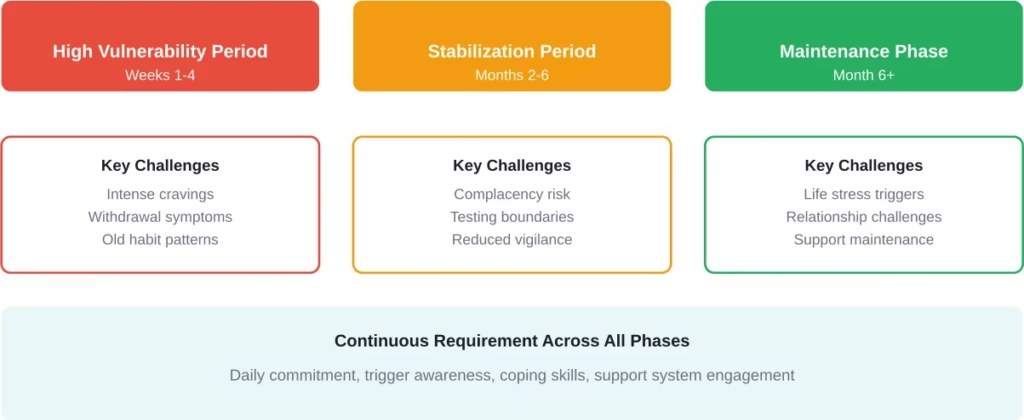
Month 2-6: Stabilization
During this period, initial motivation often wanes while cravings can remain strong. Strategies for this phase include:
- Maintaining accountability even when it feels unnecessary
- Starting or continuing therapy to address underlying issues
- Joining a support group for connection with others in recovery
- Developing new hobbies or interests to fill time
- Building or improving real-world relationships
This phase is where many people relapse due to overconfidence or decision fatigue. Maintaining the recovery structures put in place during early weeks remains critical.
Long-Term Maintenance
After six months, recovery becomes more about lifestyle integration than constant vigilance. But ongoing attention prevents complacency:
- Keep accountability software in place indefinitely
- Maintain regular check-ins with support people
- Continue therapy if it’s been helpful
- Stay aware of how stress or life changes affect vulnerability
- Have a plan for handling high-risk situations before they occur
Frequently Asked Questions
How long does it take to stop hentai addiction?
Recovery timelines vary significantly based on severity, how long the behavior has been present, co-occurring mental health conditions, and treatment approach. Most people experience the most intense cravings in the first 4-6 weeks. Stabilization typically occurs around 3-6 months with consistent effort. Long-term recovery requires ongoing maintenance, but the difficulty decreases substantially after the first several months. Research on behavioral addictions shows treatment demonstrates short-term effectiveness, but sustained recovery requires continued application of learned strategies.
Is hentai addiction as serious as regular porn addiction?
Both hentai and live-action pornography can lead to compulsive sexual behavior disorder. The mechanisms of addiction are similar—repetitive behavior despite negative consequences, unsuccessful control attempts, and interference with important life areas. Some research suggests hentai consumers differ from other pornography users on certain characteristics, but both can develop into serious problems requiring professional treatment. The animated nature of hentai doesn’t make it less potentially addictive than other pornography types.
Can someone recover from hentai addiction without therapy?
Some individuals successfully quit using self-directed strategies including accountability software, support groups, environmental modifications, and self-help resources. However, professional therapy significantly improves success rates, particularly for moderate to severe addiction or when co-occurring mental health conditions exist. Therapy provides structured support, evidence-based strategies, and help addressing underlying psychological factors. SAMHSA’s FindTreatment.gov provides resources for finding behavioral health treatment providers. If self-directed attempts have repeatedly failed, professional support is strongly recommended.
What if trying to quit makes anxiety or depression worse?
Many people use pornography including hentai as a coping mechanism for difficult emotions. When the coping behavior is removed without replacement strategies, underlying mental health conditions can become more apparent or worsen. This pattern indicates that addressing co-occurring depression or anxiety should be part of the recovery plan. A mental health professional can provide treatment for these conditions while supporting recovery from compulsive sexual behavior. Managing both conditions together typically produces better outcomes than addressing them separately.
How do I tell my partner about hentai addiction?
Disclosure to a partner is a significant decision that benefits from careful planning, ideally with therapist guidance. Consider timing when both people are calm and have time for extended conversation. Take full responsibility without minimizing or making excuses. Explain what steps are being taken toward recovery. Recognize that the partner will need time to process emotions and may not respond supportively immediately. Offer to answer questions honestly. Consider couples therapy to work through relationship impact. The conversation will likely be difficult, but honesty creates the foundation for rebuilding trust and maintaining recovery.
Does viewing hentai mean something is wrong with my sexuality?
Research examining hentai consumers found they don’t differ from others regarding attraction toward humans or desire for human relationships. Viewing animated pornography doesn’t indicate abnormal sexuality or inability to form real relationships. The concern isn’t the content type but whether consumption has become compulsive and is causing problems in life. Many people view hentai occasionally without developing addiction. The issue requiring attention is loss of control over the behavior and negative life impacts, not the specific pornography type being consumed.
What happens if I relapse after being clean for months?
Relapse is common during recovery from any addictive behavior. A single viewing episode after sustained abstinence doesn’t erase progress or mean starting over completely. The critical factor is how the situation is handled. Acknowledge what happened, analyze what led to the lapse, identify what could be done differently, and immediately recommit to recovery. Avoid the abstinence violation effect where all-or-nothing thinking leads to abandoning recovery efforts entirely. Contact support people and review trigger management strategies. Each setback provides learning opportunities that can strengthen long-term recovery when processed effectively rather than used as evidence of failure.
Moving Forward: The Pattern Can Change
Hentai addiction feels overwhelming when in the middle of it. The shame, secrecy, and repeated failed attempts to stop create a sense of hopelessness. But thousands of people have successfully addressed compulsive pornography use and rebuilt their lives.
The key factors that determine success include:
- Honest acknowledgment of the problem without excessive shame
- Implementation of multiple strategies rather than relying on willpower alone
- Willingness to seek professional help when self-directed efforts aren’t sufficient
- Commitment to ongoing recovery even when motivation wanes
- Addressing underlying mental health and life satisfaction issues
- Building genuine connections and support systems
Recovery isn’t a linear process. There will be difficult days, unexpected triggers, and possibly setbacks. But each day of changed behavior rewires neural pathways and builds the foundation for lasting change.
The adult entertainment industry generates billions annually through products designed to capture and hold attention. Overcoming that requires intention, strategy, and support. But it’s absolutely possible.
For anyone reading this while struggling with hentai addiction: The pattern does not have to stay the same. Change is possible. Help is available. Taking the first step—acknowledging the problem and seeking information—has already happened by reading this far.
The next step is implementing one concrete strategy today. Not a complete overhaul, just one action. Install accountability software. Schedule a therapy consultation. Tell one trusted person about the struggle. Join a support group. Remove devices from the bedroom.
One step. Then another. That’s how recovery happens.