
Quick Summary: Whether watching hentai constitutes cheating depends entirely on the boundaries established within each specific relationship. Research indicates that 46% of adult men intentionally view pornography in an average week, and partners may perceive animated sexual content differently than live-action material. The key factors are communication, transparency, and whether the behavior violates agreed-upon relationship expectations.
The question of whether watching hentai counts as cheating has become increasingly common as animated pornography grows more accessible. But here’s the thing—there’s no universal answer that applies to every relationship.
What constitutes infidelity varies dramatically between couples. Some partners consider any sexual content consumption a betrayal, while others draw clear distinctions between fantasy and reality.
The real conversation isn’t about whether hentai is inherently cheating. It’s about understanding relationship boundaries, communication, and the impact of sexual content on partnerships.
What Makes Hentai Different from Live-Action Pornography
Hentai refers to animated or illustrated sexually explicit content, typically originating from Japanese manga and anime traditions. Unlike live-action pornography, hentai features drawn or computer-generated characters rather than real performers.
This distinction matters to many people when evaluating whether the content crosses relationship boundaries. The animated nature creates a layer of separation from reality that some partners find less threatening.
Community discussions frequently highlight this difference. Partners who prohibit traditional pornography sometimes permit hentai because no actual people are involved in its creation beyond artists and voice actors.
That said, the emotional and psychological impact can be similar. Research from Utah State University Extension indicates that viewing sexually explicit content—regardless of format—significantly impacts users and their relationships.
The Fantasy Element
Hentai often depicts scenarios, body types, and situations that are physically impossible. This exaggerated fantasy element distinguishes it further from live-action content.
Some partners view this as harmless escapism. Others see it as equally problematic, arguing that the content still involves sexual arousal outside the relationship.
The content itself varies wildly. According to research analyzing pornographic videos, only 9.7% of sexually explicit videos portray committed relationships, and 25.3% of videos portrayed infidelity themes—though this data primarily covers live-action content.
Explore Adult Content Tags Across Multiple Sources

R34.app is built around tag-based browsing. It pulls together image, GIF, and video posts from different imageboard-style sources, then organizes them by character, series, game, and keyword. That makes it easier to search one interface instead of checking separate sites one by one.
Looking for a Tag-Based Fandom Browser?
R34.app can help with:
- searching by character, anime, game, or keyword
- unrestricted access to visual NSFW content including hentai
- moving between multiple source websites from one place
👉 Visit R34.app to explore its tag-based browsing system
When Does Watching Hentai Constitute Cheating
Cheating isn’t defined by a universal rulebook. It’s defined by the agreements and expectations within each specific relationship.
If partners have explicitly discussed boundaries around sexual content and agreed that watching hentai violates those boundaries, then yes—it’s cheating in that relationship. The medium doesn’t matter as much as the breach of trust.
The Role of Secrecy
Secrecy often indicates a boundary violation. When someone hides their hentai consumption from a partner, it suggests awareness that the behavior might be problematic.
Transparency doesn’t necessarily make the behavior acceptable, but secrecy almost always signals a problem. Partners who feel the need to hide what they’re watching typically understand on some level that it violates relationship expectations.
Research on internet affairs from the American Psychological Association indicates that secrecy and deception are core components of digital betrayal, regardless of whether physical contact occurs.
Emotional Investment
Some partners distinguish between casual viewing and emotional investment. When hentai consumption involves regular engagement with specific characters, storylines, or communities, it can feel more like an emotional affair.
This becomes particularly relevant with interactive content or when individuals develop parasocial relationships with fictional characters. The line between fantasy and emotional infidelity blurs.
What Research Says About Pornography in Relationships
According to Utah State University Extension research, 46% of adult men and 16% of women intentionally view pornography in an average week. That’s a substantial portion of the population engaging with sexual content.
But commonplace doesn’t mean harmless. The same research notes that pornography usage often significantly impacts users, their families, workplaces, and communities.
Many individuals never anticipate that viewing pornography will negatively influence their lives. Yet the effects can be substantial and unexpected.
| Impact Area | Reported Effects | Relationship Concern |
|---|---|---|
| Trust | Decreased transparency | Partners feel betrayed when discovering hidden consumption |
| Intimacy | Reduced sexual satisfaction | Unrealistic expectations from animated content |
| Communication | Avoidance of difficult topics | Inability to discuss boundaries openly |
| Emotional connection | Withdrawal from partner | Investment in fantasy over reality |
According to recent 2026 industry reports, global internet pornography consumption has reached a point where over 45,000 users are viewing content every second. Current data for 2026 indicates that regular pornography consumption (at least once a month) is reported by 92% of men and 64% of women aged 18-45.
Partner Perception as Betrayal
Academic research has examined the perception of a partner’s pornography use as betrayal. While the specific content wasn’t fully accessible, the research direction indicates that many partners do experience pornography consumption as a form of infidelity.
This perception varies based on cultural background, religious beliefs, previous relationship experiences, and individual attachment styles. What feels like betrayal to one person might seem inconsequential to another.
The University of Colorado Anschutz Medical Campus notes that despite pornography being commonplace, a growing body of research shows it causes lasting harm to the brain and relationships.
When Hentai Use Becomes Problematic
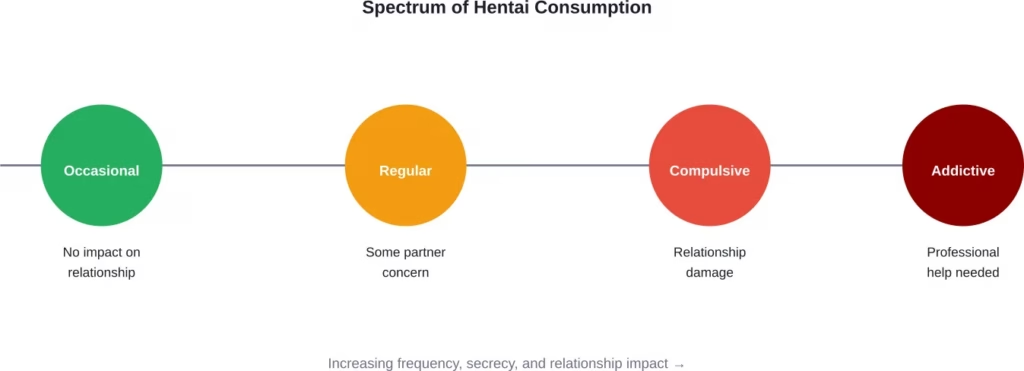
Even when both partners initially agree that hentai consumption is acceptable, certain patterns indicate the behavior has become problematic.
Look, consumption becomes an issue when it interferes with daily functioning, relationship quality, or personal wellbeing. The specific content type matters less than the behavioral patterns surrounding it.
Signs of Problematic Use
Several indicators suggest hentai consumption has crossed into problematic territory:
- Increasing time spent viewing content, with diminishing returns on satisfaction
- Difficulty maintaining arousal or interest in partnered sexual activity
- Withdrawal from social activities, hobbies, or relationship engagement
- Continued use despite negative consequences or partner distress
- Inability to stop or reduce consumption when attempting to do so
- Secretive behavior, cleared browser histories, or defensive reactions when questioned
- Prioritizing hentai consumption over relationship intimacy or obligations
These patterns mirror problematic pornography use generally. The animated format doesn’t protect against compulsive or addictive patterns.
Impact on Sexual Expectations
Hentai often portrays exaggerated body proportions, impossible scenarios, and unrealistic sexual dynamics. According to research on pornographic content, only 9.7% of sexually explicit videos portray committed relationships.
Regular consumption can distort expectations about real partnered sex. When animated content becomes the primary source of sexual stimulation, it can create a disconnect between fantasy and reality.
Partners may find themselves comparing real intimacy unfavorably to animated scenarios, leading to decreased satisfaction and connection.
Establishing Healthy Boundaries Around Sexual Content
The most functional approach involves open, honest conversation about boundaries before issues arise. Waiting until after discovery or conflict makes the discussion significantly more difficult.
Here’s what effective boundary-setting looks like in practice:
Both partners need opportunities to express their feelings, concerns, and expectations without judgment or defensiveness. This isn’t about winning an argument—it’s about understanding each other’s perspectives.
Questions to Discuss
These conversation starters can help couples navigate the topic:
- How do we each feel about pornography consumption generally?
- Do we distinguish between animated and live-action content? Why or why not?
- What would constitute a boundary violation for each of us?
- How important is transparency versus privacy in this area?
- What should we do if one person’s boundaries change over time?
- How would we prefer to handle discovery of unexpected content?
Real talk: these conversations feel awkward. But the temporary discomfort prevents much larger problems down the road.
Respecting Different Comfort Levels
Partners often have different comfort levels with sexual content. One person’s casual entertainment is another person’s relationship dealbreaker.
Neither perspective is inherently right or wrong. What matters is whether both people can reach an agreement that respects their needs and maintains relationship integrity.
Sometimes that means compromise. Sometimes it means one partner chooses the relationship over the content. Occasionally, it reveals fundamental incompatibility.
How Therapy Helps With Hentai-Related Conflicts
When couples struggle to navigate hentai consumption independently, professional support can make a significant difference. Couples therapy provides structured space to address underlying issues.
Therapists help partners communicate more effectively, identify the real concerns beneath surface arguments, and develop mutually acceptable boundaries.
| Therapy Type | Best For | Focus Areas |
|---|---|---|
| Couples Therapy | Relationship conflicts about boundaries | Communication, trust rebuilding, boundary negotiation |
| Individual Therapy | Personal struggles with consumption patterns | Compulsive behavior, underlying emotional issues, coping strategies |
| Betrayal Trauma Therapy | Partners experiencing discovery as trauma | Processing betrayal, healing trust wounds, establishing safety |
| Sex Therapy | Sexual intimacy concerns | Realistic expectations, desire discrepancy, reconnection |
Individual Therapy for Users
Sometimes the person consuming hentai benefits most from individual therapy. This allows exploration of why the content appeals, whether consumption has become compulsive, and what needs the behavior might be meeting.
Individual work can address underlying issues like stress management, emotional regulation, or attachment concerns that drive excessive consumption.
Betrayal Trauma Support
For partners who experience hentai consumption as betrayal, specialized trauma therapy can be essential. The discovery of hidden sexual content can trigger genuine trauma responses, particularly for individuals with previous relationship wounds.
This type of therapy validates the partner’s emotional experience while providing tools to process feelings and decide how to move forward.
Different Perspectives on Hentai in Relationships
Community discussions reveal widely varied perspectives on whether hentai constitutes cheating. Understanding these different viewpoints provides context for individual decision-making.
Some partners view all pornography—animated or otherwise—as a form of infidelity. The sexual arousal and gratification derived from external sources represents a betrayal of the exclusive sexual bond.
Others distinguish clearly between fantasy and reality. For these individuals, animated content falls squarely in the fantasy category, involving no real people and therefore no threat to the relationship.
The Gender Perspective Gap
Community discussions on platforms like MyAnimeList and Reddit show interesting gender dynamics. Some female partners find hentai less threatening than live-action pornography because it doesn’t involve real women.
But that’s not universal. Others find the exaggerated depictions and often problematic themes in hentai particularly concerning, regardless of the animated format.
Male partners also vary in their perspectives, with some viewing hentai as harmless entertainment and others recognizing its potential relationship impact.
Cultural and Generational Factors
Cultural background significantly influences perspectives on sexual content. Communities with strong religious traditions often view any pornography consumption as incompatible with committed relationships.
Generational differences also emerge. Younger adults who grew up with internet access tend to view digital sexual content differently than older generations, though this isn’t absolute.
Moving Forward After Conflict
When hentai consumption has already caused relationship conflict, repair requires specific steps beyond simply stopping the behavior.
The partner who consumed content needs to acknowledge the impact on their significant other, regardless of whether they personally view the behavior as problematic. Impact matters more than intent.
This means listening to the hurt partner’s feelings without defensiveness, taking responsibility for boundary violations or secrecy, and demonstrating commitment to agreed-upon changes through consistent action.
Rebuilding Trust
Trust rebuilds slowly through transparency and reliability. This might involve sharing devices, being open about internet usage, or checking in regularly about temptations and challenges.
Some couples find accountability apps or filters helpful during the rebuilding phase. Others rely on regular conversations and voluntary transparency.
The hurt partner needs space to process emotions, ask questions, and gradually verify trustworthiness. Rushing this process typically backfires.
Reconnecting Intimately
Couples often need to rebuild their sexual connection after conflicts about external sexual content. This requires patience, communication, and often creativity.
Focus shifts from performance to connection, from fantasy to presence. Partners benefit from exploring what intimacy means for both of them, independent of external content.
Sometimes this means temporarily slowing down physical intimacy while strengthening emotional connection. Other times it involves deliberately prioritizing partnered sexuality over solo consumption.
Making Your Own Decision
So, is hentai cheating? Only the people in a specific relationship can answer that question for themselves.
The answer depends on explicit agreements, mutual understanding, transparency, and whether the behavior violates established trust. It depends on how both partners perceive animated sexual content and what boundaries they’ve negotiated together.
What works for one couple won’t work for another. Some relationships accommodate hentai consumption without issue. Others draw firm lines against all sexual content. Both approaches can support healthy partnerships when both people genuinely agree.
The critical factors aren’t about the content itself—they’re about communication, honesty, respect for boundaries, and mutual care for each other’s wellbeing.
If uncertainty exists, that’s a sign to have the conversation. Avoiding difficult topics doesn’t protect relationships—it undermines them.
Frequently Asked Questions
Is watching hentai the same as watching regular pornography?
Hentai differs from live-action pornography in that it features animated or illustrated characters rather than real performers. Many partners perceive this distinction as significant, viewing animated content as less threatening because no actual people are involved in the sexual acts depicted. However, the psychological and relational impacts can be similar, including potential effects on sexual expectations, intimacy, and trust. Whether the difference matters depends on individual relationship boundaries and how both partners view sexual content consumption.
Should I tell my partner if I watch hentai?
Transparency about hentai consumption depends on relationship agreements and context. If partners have discussed boundaries around sexual content and agreed on expectations, honesty is essential. Secrecy often indicates awareness that the behavior might violate relationship trust. Even without explicit prior discussion, many relationship experts recommend transparency about behaviors that could affect partnership dynamics. Hidden consumption frequently causes more harm than the consumption itself when eventually discovered.
Can hentai addiction affect relationships like other pornography?
Compulsive hentai consumption can create relationship problems similar to other pornography use. Warning signs include increasing time spent viewing content, difficulty with arousal in partnered situations, withdrawal from relationship intimacy, continued use despite negative consequences, and inability to reduce consumption when attempting to do so. Research from Utah State University indicates that pornography viewing—regardless of format—often significantly impacts users and their relationships. The animated format doesn’t protect against problematic patterns.
What if my partner considers hentai cheating but I don’t?
When partners disagree about whether hentai constitutes cheating, the relationship faces a boundary negotiation challenge. Neither perspective is objectively correct—what matters is reaching mutual understanding and agreement. This typically requires open conversation about why each person holds their view, what fears or values underlie those positions, and whether compromise is possible. Sometimes one partner chooses to respect the other’s boundaries even when not personally sharing that view. Other times, the disagreement reveals fundamental incompatibility requiring difficult decisions.
Does the type of hentai content matter?
Content type can influence how partners perceive hentai consumption. Some animated pornography depicts concerning themes including non-consent, extreme age gaps, or problematic power dynamics. Partners may draw different boundaries around content types, accepting some while rejecting others. Additionally, research shows that only 9.7% of sexually explicit videos portray committed relationships, with 25.3% depicting infidelity—themes that may particularly concern partners already worried about trust. The specific content consumed can be as important as the general category.
How can couples therapy help with hentai-related conflicts?
Couples therapy provides structured space to address hentai consumption conflicts when partners struggle to resolve them independently. Therapists help improve communication, identify underlying concerns beneath surface arguments, and develop mutually acceptable boundaries. Therapy can address trust rebuilding after discovery, negotiate compromise when perspectives differ, and explore how consumption affects relationship intimacy. Individual therapy may benefit the person consuming content, while betrayal trauma therapy can support partners experiencing discovery as a trust wound.
Is it normal to feel betrayed if my partner watches hentai?
Feeling betrayed by a partner’s hentai consumption is a common and valid emotional response, particularly when the behavior was hidden or violates relationship expectations. Academic research has examined partner perception of pornography use as betrayal, indicating this reaction occurs frequently regardless of content format. The intensity of betrayal feelings often relates to factors including secrecy, previous relationship wounds, attachment style, and cultural or religious background. These feelings deserve acknowledgment and discussion rather than dismissal, even if the consuming partner doesn’t view the behavior as problematic.
Conclusion: Your Relationship, Your Boundaries
The question “is hentai cheating” has no universal answer because cheating is defined by relationship-specific boundaries, not external standards.
What research makes clear is that pornography consumption—including animated content—affects relationships in measurable ways. According to Utah State University Extension, 46% of adult men view pornography weekly, yet this widespread behavior still significantly impacts users and partnerships.
The path forward involves honest communication about expectations, transparency about behavior, respect for boundaries, and willingness to prioritize partnership over individual preferences when necessary.
Some couples will determine that hentai consumption works within their relationship framework. Others will establish clear boundaries against it. Both approaches can support healthy partnerships when genuinely agreed upon by both people.
What undermines relationships isn’t primarily the content itself—it’s secrecy, boundary violations, unwillingness to communicate, and disregard for a partner’s feelings and needs.
If hentai consumption is causing conflict in a relationship, that conflict deserves attention regardless of whether the behavior technically constitutes cheating. The impact on partnership health and partner wellbeing matters more than categorical definitions.
Consider having the conversation before problems arise. Establish clear expectations together. Respect each other’s boundaries. Seek professional support when needed.
The health of the relationship depends not on following external rules, but on the care, honesty, and respect both partners bring to navigating these challenging topics together.