
Quick Summary: Hentai is a style of Japanese pornographic anime and manga featuring animated sexual content. The term translates to ‘perverse’ or ‘abnormal’ in Japanese and has become a popular genre of adult animation worldwide, characterized by explicit sexual themes depicted through illustrated characters rather than real people.
Hentai has emerged as one of the most searched categories of online pornography, yet many people remain unclear about what exactly it is. This genre differs fundamentally from traditional pornography because it uses animation and illustration rather than real actors.
Understanding hentai requires looking beyond the surface to examine its cultural origins, evolution, and the reasons behind its growing popularity.
Understanding the Term ‘Hentai’
The Japanese word ‘hentai’ (変態) literally translates to ‘perverse,’ ‘abnormal,’ or ‘metamorphosis.’ In its native context, the term describes abnormal or deviant behavior, not specifically sexual content.
But here’s where it gets interesting. In Western usage, hentai has taken on a completely different meaning. It specifically refers to pornographic anime and manga—sexually explicit Japanese-style animation and comics.
The evolution of this term tells its own story. During the Meiji period (1868-1912), ‘hentai’ was associated with hysteria. By the 1920s-1930s, it described perverted sexuality and topics related to homosexual relationships.

What Defines Hentai as a Genre
Hentai encompasses pornographic content created in the style of Japanese anime and manga. This includes animated videos, illustrated comics, artwork, and video games—commonly called ‘eroge’ in Japan.
The genre exists across multiple formats:
- Animated videos and series
- Manga (Japanese comics) with explicit content
- Digital artwork and illustrations
- Adult video games
- Visual novels with sexual content
What separates hentai from regular anime isn’t just the sexual content. The art style, character design, and narrative structures follow anime conventions while depicting explicit sexual scenarios that would never appear in mainstream animation.
Real talk: hentai doesn’t feature real people. Every character, scenario, and situation is drawn or animated. This fundamental distinction shapes both its appeal and the controversies surrounding it.

See How Hentai Content Is Organized Online
A basic definition explains what hentai porn is, but in practice it’s shaped by how content is tagged, grouped, and discovered across different communities. Instead of fixed categories, everything revolves around tags, characters, and fandoms.
Platforms like r34.app make this structure visible by organizing posts from multiple sources into searchable tags and filters.
On r34.app, you can:
- search specific tags to see how content is categorized
- explore characters, games, and anime tied to those tags
- browse top and trending posts to understand common patterns
- switch between images and animated posts depending on format
👉 Open r34.app, search a term, and see how content is grouped and labeled.
The History and Development of Hentai
Japan has a long history of erotic art, dating back centuries to traditional woodblock prints known as ‘shunga.’ These sexually explicit images were created by respected artists and weren’t considered taboo in pre-modern Japan.
The modern hentai industry emerged after World War II, developing alongside the broader anime and manga industries. Early works tested the boundaries of what was acceptable, often facing censorship.
Nagisa Oshima was indeed prosecuted for the book version of ‘In the Realm of the Senses,’ but the film itself was never fully cleared for uncensored release in Japan. To this day, the film remains available in Japan only in a censored version (with mosaics), as the trial did not lead to a lifting of the ban on depicting genitalia in film or animation. However, this lifting didn’t fully extend to anime and manga, which weren’t initially deemed artistic exceptions.
The result? Japanese law still requires censorship of genitalia in all pornographic materials, including animated content. That’s why hentai typically features pixelation or other censoring techniques—it’s legally required in Japan.
Why Hentai Has Become Popular
Data from major pornography websites shows hentai consistently ranks among the most searched categories. But what drives this popularity?
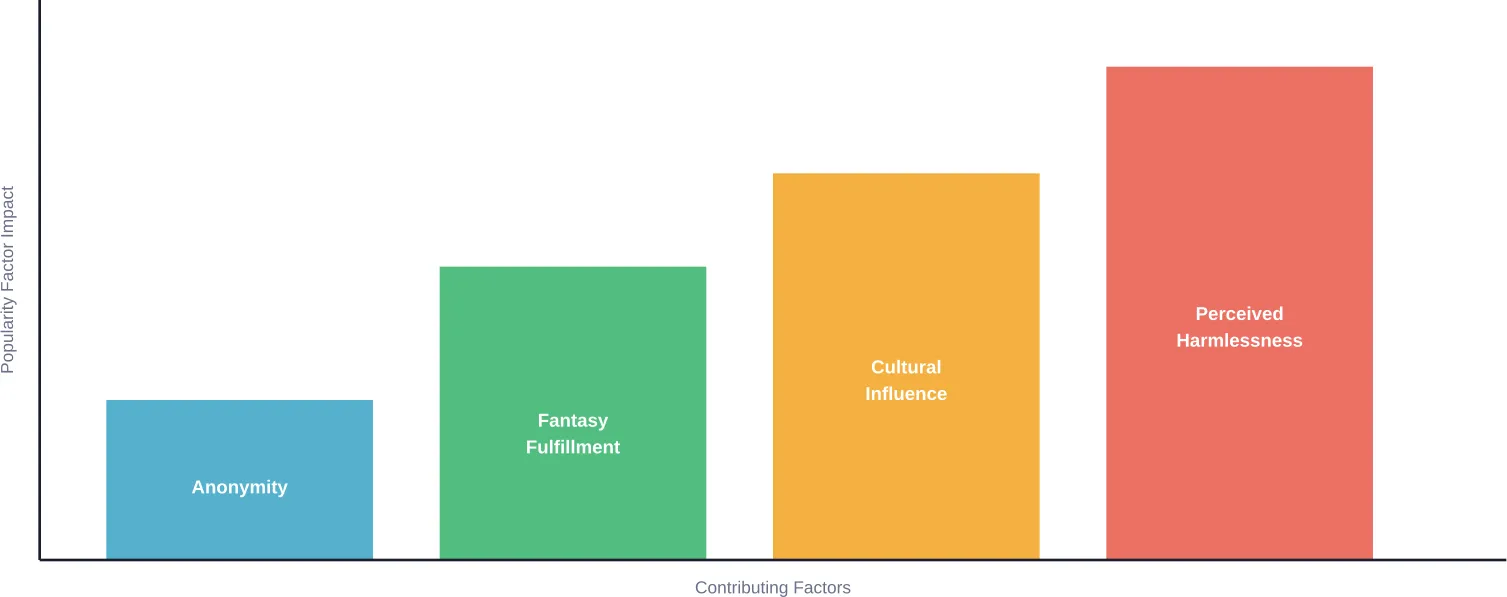
Several factors contribute to hentai’s widespread appeal:
- Anonymity and accessibility: Animated pornography can feel less transgressive than traditional porn for some viewers. There’s a perceived psychological distance because no real people are involved.
- Fantasy fulfillment: Animation allows for scenarios, body types, and situations impossible in real life. The genre isn’t constrained by physical limitations or practical concerns.
- Cultural influence: Anime has become mainstream globally. For those already consuming anime content, hentai represents a natural (if adult) extension of that medium.
- Perceived harmlessness: Some consumers rationalize that because hentai doesn’t involve real actors, it’s somehow less problematic than traditional pornography.
Concerns and Controversies
Despite—or perhaps because of—its popularity, hentai raises significant concerns among researchers, parents, and advocacy organizations.
- Depictions of minors: A disturbing amount of hentai features characters who appear underage or are explicitly identified as children. Research examining content from major pornography websites shows that much hentai depicts child-like characters in sexual situations.
- Sexual violence normalization: Many hentai works contain themes of sexual violence, coercion, and assault—overwhelmingly targeting female characters. Critics argue this normalizes violence against women and girls.
- Youth exposure: According to Common Sense Media research, most children are exposed to pornography by age 12. By their teenage years, 75% of boys and 70% of girls have viewed it. Hentai’s animated format may make it particularly appealing or accessible to younger viewers.
- Addiction potential: Despite featuring illustrations rather than real people, many individuals report struggling with hentai consumption in ways similar to traditional pornography addiction.
| Concern Category | Description | Primary Impact |
|---|---|---|
| Minor Depictions | Characters appearing or identified as underage | Normalization of child sexualization |
| Sexual Violence | Frequent themes of assault and coercion | Desensitization to violence against women |
| Youth Accessibility | Animated format appeals to younger audiences | Early pornography exposure |
| Compulsive Use | Addictive consumption patterns reported | Behavioral and psychological effects |
Legal and Regulatory Considerations
The legal status of hentai varies significantly across jurisdictions. In the United States, the Supreme Court has ruled that transmitting obscenity, whether via the Internet or other means, is illegal under federal law for both adults and juveniles.
However, because hentai doesn’t depict real people, it occupies a complex legal gray area. U.S. federal law on child pornography primarily addresses images of actual minors, though some statutes have been interpreted to include realistic computer-generated images.
Experts and advocacy organizations have called for three ameliorative steps regarding hentai regulation:
- Age verification legislation to prevent minor access
- Civil lawsuits targeting platforms hosting extreme content
- Sex education approached through a critical lens that addresses pornography’s impacts
Different countries take vastly different approaches. Some nations ban certain types of hentai content entirely, while others apply the same obscenity standards used for other pornography.
What Parents Should Know
For parents, understanding hentai matters because children and teenagers are encountering this content with increasing frequency.
Key awareness points include:
Hentai isn’t “just cartoons.” The sexual content is explicit and often depicts scenarios that would be illegal or harmful in reality. The animated format doesn’t make it appropriate for minors.
Accessibility is high. Hentai appears on mainstream pornography websites, social media platforms, and even through seemingly innocent searches for anime content.
Conversations matter. Before teenagers encounter this content independently, having honest discussions about pornography, healthy sexuality, and media literacy can provide crucial context.
According to research cited by advocacy organizations, most children are exposed to pornography years before parents initiate conversations about sex and healthy relationships. This timing creates a situation where pornography becomes the default sex educator.
Frequently Asked Questions
What does hentai mean in Japanese?
In Japanese, ‘hentai’ (変態) literally means ‘perverse,’ ‘abnormal,’ or ‘metamorphosis.’ It describes deviant or unusual behavior generally, not specifically pornographic content. The association with animated pornography is primarily a Western usage of the term.
Is hentai the same as anime?
No. Anime is a broad term for Japanese-style animation covering all genres from children’s shows to serious dramas. Hentai is specifically pornographic anime—a subset that contains explicit sexual content. Regular anime does not contain pornography.
Why is hentai so popular compared to other porn genres?
Hentai’s popularity stems from several factors: the anonymity of animated content, unlimited fantasy scenarios impossible with real actors, the mainstream acceptance of anime culture, and a perception that animated pornography is less problematic than traditional porn. Data from major pornography websites consistently shows hentai among the most searched categories.
Is watching hentai illegal?
The legality depends on jurisdiction and content. In the United States, obscenity laws apply to hentai as they do to other pornography. Content depicting minors—even animated ones—may violate federal law depending on interpretation and specific statutes. Laws vary significantly between countries.
Can hentai be addictive like regular pornography?
Yes. Despite featuring illustrated rather than real people, many individuals report compulsive consumption patterns similar to traditional pornography addiction. The psychological mechanisms of arousal, habituation, and escalation appear to function similarly regardless of whether the content is animated or filmed.
What age groups consume hentai most?
Research indicates hentai is particularly popular among millennials and younger generations who grew up with mainstream anime culture. However, concerning data shows significant youth exposure, with most children encountering pornography by age 12 and the majority of teenagers having viewed it.
Does hentai include violent content?
Many hentai works contain themes of sexual violence, coercion, and assault. Research examining content from major platforms shows that violence predominantly targets female characters in these animated works, raising concerns about normalization of violence against women and girls.
The Bottom Line
Hentai represents a significant and growing segment of online pornography, distinguished by its animated format and roots in Japanese artistic traditions. Understanding what hentai is requires looking beyond simple definitions to examine its cultural context, evolution, and the serious concerns it raises.
The genre’s popularity reflects broader trends in pornography consumption, anime’s mainstream acceptance, and the perceived psychological distance created by animation. But that distance may be illusory when considering the real-world impacts on consumers, particularly young people.
As with all forms of pornography, education, open conversation, and critical media literacy remain essential tools for addressing hentai’s presence in digital spaces. The conversation shouldn’t end with understanding what hentai is—it should extend to thoughtful consideration of its effects and appropriate responses.